

Meta, Mike Rowe unveil America's Workforce Academy to fill critical skilled trade jobs
Meta President Dina Powell McCormick and CEO of mikeroweWORKS Foundation Mike Rowe join ‘Mornings with Maria’ to discuss a new $115 million workforce initiative offering free training and guaranteed skilled-trade jobs.
Meta has lobbied U.S. lawmakers for legal immunity from lawsuits alleging child harm from its social media platforms such as Facebook and Instagram, according to a report.
This comes as Meta faces a wave of youth-safety litigation, including thousands of similar claims consolidated in California state courts and separate lawsuits brought by states and school districts. Meta and Google, which owns YouTube, were hit with a combined $6 million in damages after a Los Angeles jury found them negligent in a bellwether case alleging Instagram and YouTube were designed in ways that harmed a young user. Both companies have said they plan to appeal.
If language like Meta’s proposal is adopted by lawmakers and signed into law as part of the Kids Online Safety Act (KOSA) under consideration in the Senate, the provision could undermine pending and future complaints against Meta and other social media platforms regarding child safety.
Lawmakers have not said they would be open to adopting the language, but the lobbying effort shows the kind of legal protections Meta is seeking amid government attempts to regulate online platforms.
FEDERAL APPEALS COURT RULES OHIO CAN REQUIRE PARENTAL CONSENT CHILDREN UNDER 16 ON SOCIAL MEDIA
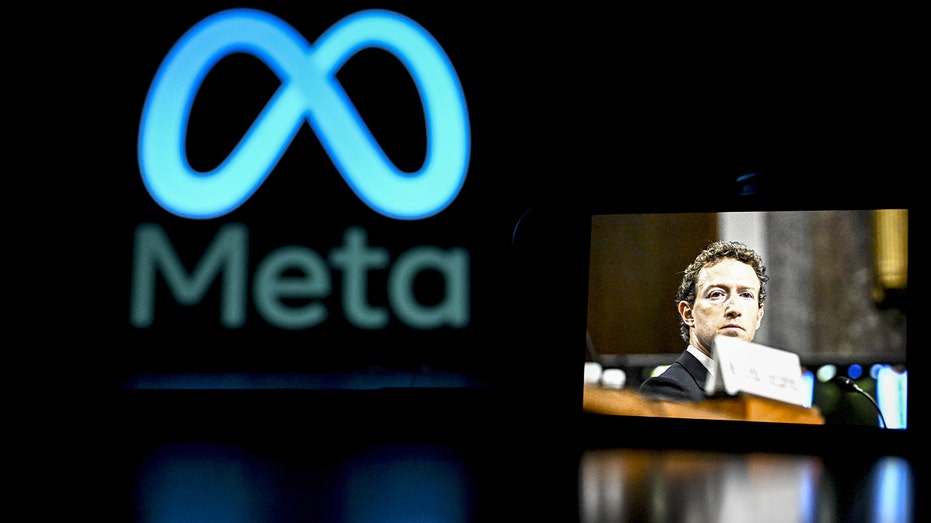
Meta has lobbied U.S. lawmakers for legal immunity from lawsuits alleging child harm from its social media platforms. (Arda Kucukkaya/Anadolu via Getty Images / Getty Images)
The proposed language would make online companies "immune from suit or liability under state law with respect to all claims for loss caused by, arising out of, relating to, or resulting from the safety or privacy of individuals under the age of eighteen online or otherwise related to the provisions" of KOSA, according to Reuters.
The proposal appears alongside language that seeks to have the federal measure overrule state laws on children's online safety and privacy.
Meta spokesperson Stephanie Otway told Reuters that the provision "does not extinguish existing lawsuits, nor does it represent blanket immunity."
"Instead, it establishes uniform national standards for online youth safety, ensuring these critical issues are governed by comprehensive federal legislation, not plaintiffs' lawyers or patchwork state legislation," she said.
But Julia Duncan of the American Association for Justice, a group that represents trial lawyers, said that if the provision were to be adopted, it would kill any lawsuits pending when the law took effect.
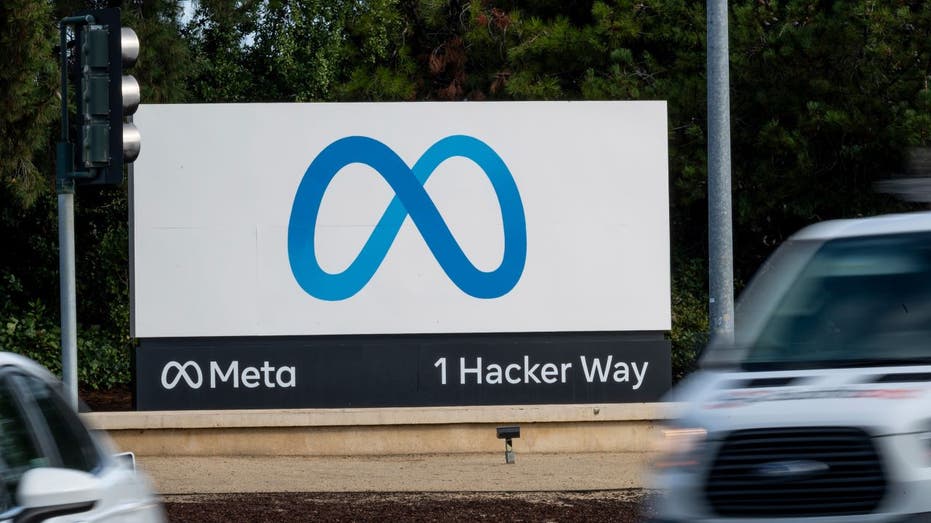
The provision could undermine the thousands of complaints against Meta and other social media platforms regarding child safety. (David Paul Morris/Bloomberg via Getty Images / Getty Images)
"The language is pretty clear-cut immunity against every parent, every school district, that is seeking to hold any AI or social media company accountable for harm" to children, Duncan said. "There is no other way to read this language."
Meta has proposed the language in exchange for dropping its efforts to oppose KOSA, a source told Reuters.
KOSA, sponsored by Sens. Marsha Blackburn, R-Tenn., and Richard Blumenthal, D-Conn., would require social media companies to take steps to prevent certain harms to minors, including compulsive use of their platforms.
The measure is now the subject of negotiations between Blackburn and the White House to package child online safety bills with a provision that would preempt some state laws regarding AI.
META THREATENS TO PULL FACEBOOK AND INSTAGRAM FROM NEW MEXICO OVER CHILD SAFETY TRIAL REQUIREMENTS

Meta has proposed the language in exchange for dropping its efforts to oppose KOSA. ((Photo Illustration by Onur Dogman/SOPA Images/LightRocket via Getty Images) / Getty Images)
GET Gxstocks ON THE GO BY CLICKING HERE
"We have not seen that proposed language and would never consider it," a spokesperson for the GOP senator told Reuters.
Under the bill, tech companies would need to use care in adding specific features such as infinite scrolling, activity notifications and appearance-changing photograph filters.
A woman won at trial earlier this year against Meta and Google, which owns YouTube, after her lawyers successfully argued the companies were aware these features were addictive and harmful to young people. The tech companies plan to appeal the ruling.
KOSA passed in the Senate in 2024 before failing in the House. The measure was reintroduced this year with support from both Senate Majority Leader John Thune, R-S.D., and Senate Minority Leader Chuck Schumer, D-N.Y.
Reuters contributed to this report.