


Trump ‘leading the charge’ to cut ticket costs, crack down on resale market: FTC chairman
FTC Chairman Andrew Ferguson warns of online radicalization, vows to protect kids in the A.I. race and crack down on ticket bots to lower costs for families on ‘Varney & Co.’
Federal regulators announced Wednesday that they are examining whether major airlines, ride-hailing companies, delivery services and retailers are using personal data to charge different customers different prices for the same products and services or determine how much gig workers are paid.
The Federal Trade Commission (FTC) said it launched an inquiry into nine companies, ordering them to provide information about how they use consumers' and workers' personal data to set prices and compensation.
The orders were sent to Delta Air Lines, United Airlines, JetBlue, Lyft, Uber, DoorDash, Instacart, Target and Walmart, according to the FTC.
The agency said it is seeking information to assess whether prices for airline tickets, rides, food deliveries and other products or services vary from person to person.
DOLLAR GENERAL SUED BY FTC AND 20 STATES, ACCUSED OF OVERCHARGING CUSTOMERS

FTC Chairman Andrew Ferguson said consumers deserve to know whether companies use their browsing history or other personal information to determine the highest prices they can charge. (Stefani Reynolds/Bloomberg via Getty Images / Getty Images)
Federal regulators will then examine whether factors such as loyalty programs and the analysis of personal data by superintelligence algorithms influence consumer pricing and worker compensation.
"We intend to scrutinize the opaque methodology that some companies in these industries may be using to determine how much consumers pay or how much gig workers are paid for the same product or service," FTC Chairman Andrew Ferguson said in a statement.
"Consumers deserve to know whether companies use their web surfing habits or other personal data to estimate the highest price they can charge each consumer," Ferguson continued.
Ferguson said workers "deserve to know if their compensation is affected by how companies use their personal data."
AMERICAN AIRLINES SAYS AIRFARES COULD STAY ELEVATED EVEN IF FUEL PRICES DROP
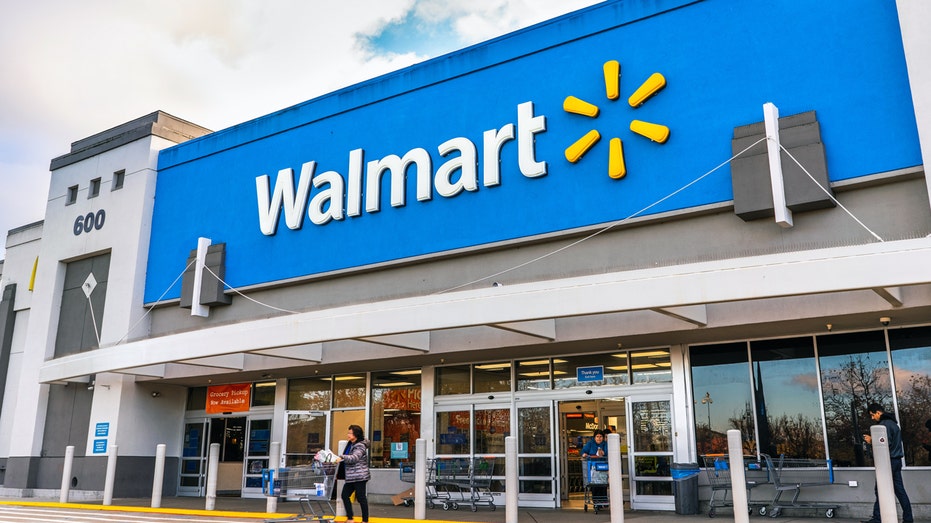
Walmart was ordered to provide information to federal regulators about its pricing practices as part of an FTC inquiry into personalized pricing. (Sundry Photography/Getty Images / Getty Images)
In its news release announcing the inquiry, the FTC noted that ride-hailing and food-delivery companies may offer workers varying compensation based on "opaque formulas."
These companies, the FTC said, "may engage in personalized compensation based on their drivers’ personal data, such as their phone usage or acceptance history for past offers."
A spokesperson for Instacart told Gxstocks that the online grocery marketplace "does not and will not engage in surveillance pricing."
"We do not use personal information to set prices, and we never will," the spokesperson said.
WALMART ROLLS OUT NEW BUNDLE COMBINING WALMART+, SAM’S CLUB PLUS
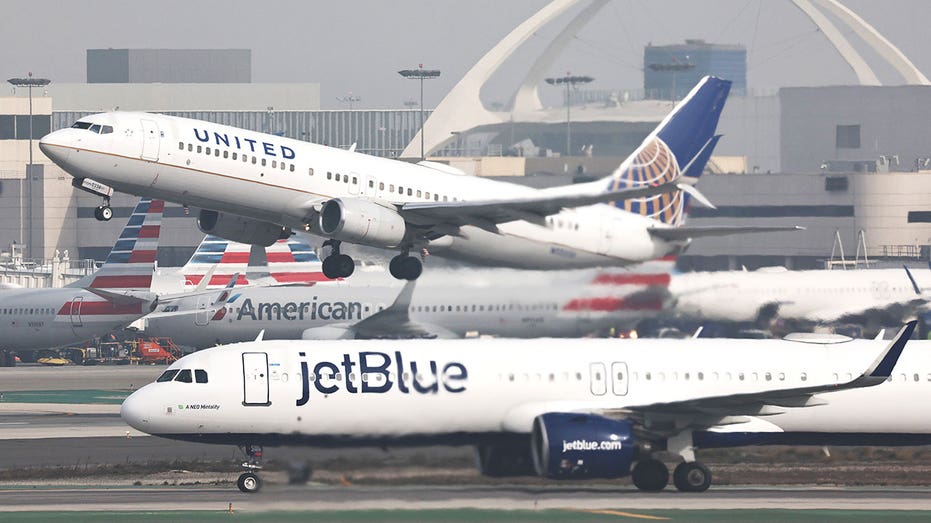
JetBlue told Gxstocks that it does not use customers' personal information or browsing histories to set individual fares, saying ticket prices are based on demand and seat availability. (Mario Tama / Getty Images)
"We appreciate the FTC’s focus on this practice, we are committed to transparency and improving affordability for customers, and we will continue engaging with policymakers and regulators to ensure they understand how pricing on our platform works."
JetBlue told Gxstocks that it "does not use personal information or web browsing history to set individual pricing."
"Fares are determined by demand and seat availability, and all customers have access to the same fares on jetblue.com and our mobile app," the airline added.
Delta also denied using personal data to individually price fares, saying it has never used, tested or planned to use a fare product that targets customers with individualized offers based on personal data.
Gxstocks has reached out to United, Lyft, Uber, DoorDash, Target and Walmart for comment.
CLICK HERE TO DOWNLOAD THE FOX NEWS APP
The FTC said companies that fail to provide the requested information could face legal action to compel compliance. Each company has 45 days from the date it receives the order to respond.